A phone can slip from your hand in a second. It may fall from a table, slide out of your pocket, or hit the floor while you are getting out of a car. Sometimes, the phone keeps working after the fall. In other cases, one corner breaks and the crack slowly spreads across the glass.
So, how to protect your phone screen from cracks? Start with a good tempered glass protector, use a case with raised edges, and keep your phone away from keys, coins, water, and heavy objects. These small habits can lower the risk of damage and help you avoid an expensive screen repair.
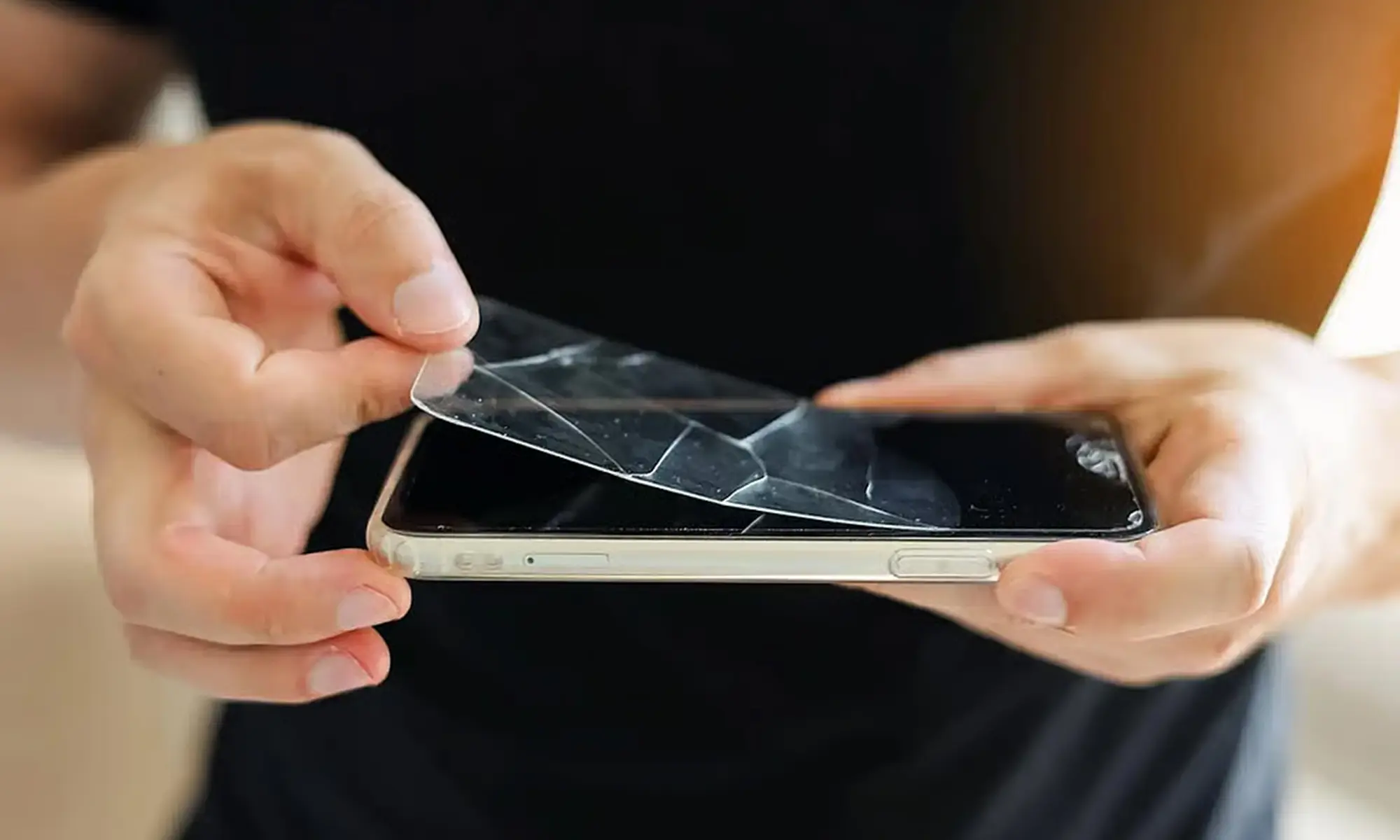
Fit a Good Tempered Glass Protector
Tempered glass sits on top of the original phone screen. It takes scratches and light impact that would otherwise hit the display directly.
Choose a protector made for your exact phone model. A badly fitted protector may leave the corners open, and those corners often take the hardest impact during a fall.
Check for:
- Full-screen coverage
- Smooth touch response
- Strong edge adhesion
- Proper speaker and camera cut-outs
- Compatibility with your phone cover
Do not keep using a protector with broken corners or several deep cracks. It has already absorbed damage and may offer less protection the next time your phone falls.
A screen protector cannot make the phone unbreakable, but it gives the original glass an extra layer of protection.
Use a Case with Raised Screen Edges
Many people choose a phone case only for its colour or design. That may protect the back panel, but it may do very little for the screen.
A safer case has a raised border around the front. When the phone falls face down, the raised border touches the floor before the glass does. Reinforced corners also help because phones often land on one corner instead of falling completely flat.
For daily use, look for a case with:
- A firm grip
- Raised front edges
- Strong corner protection
- Shock-absorbing sides
- A snug fit
For example, a slippery phone with a thin plastic cover can easily slide from your hand and develop a display crack on a tiled floor. A rubberised case offers better grip and softens the impact.
Technicians at Zee Mobi Solutions often find that phones with raised-edge cases suffer less direct glass damage than phones with flat, decorative covers.
Keep Keys and Coins Away from the Screen
Keys, coins, charging plugs, tools, and metal accessories can scratch the screen. They may also press against the phone while it sits inside a bag.
Keep your phone in a separate pocket. Most backpacks and handbags have a padded section that protects the device from hard objects.
Never place a laptop, heavy book, water bottle, or shopping bag on top of your phone. A screen may develop internal damage from pressure even when the outer glass does not break immediately.
Do Not Carry Your Phone in a Back Pocket
The back pocket may feel convenient, but it puts the phone under pressure when you sit down. Large phones face an even higher risk because their long screens can bend more easily.
This habit can lead to:
- Cracked glass
- Touch response problems
- A bent phone frame
- Internal screen damage
- Dark spots on the display
Use a front pocket, handbag, belt pouch, or secure phone holder instead. This simple change can help prevent a cracked mobile screen.
Be Careful While Walking or Travelling
People often drop their phones while walking, climbing stairs, boarding a bus, or stepping out of a car. Using one hand makes the phone easier to lose, especially when the device has a smooth glass back.
Hold the phone with both hands when typing. You can also use a phone ring, grip, or wrist strap for better control.
Avoid checking the phone near balconies, stairs, pools, roadside areas, and crowded places. A case may help during a small fall, but it cannot always protect the screen from height, concrete, or repeated impact.
Protect the Phone from Heat and Water
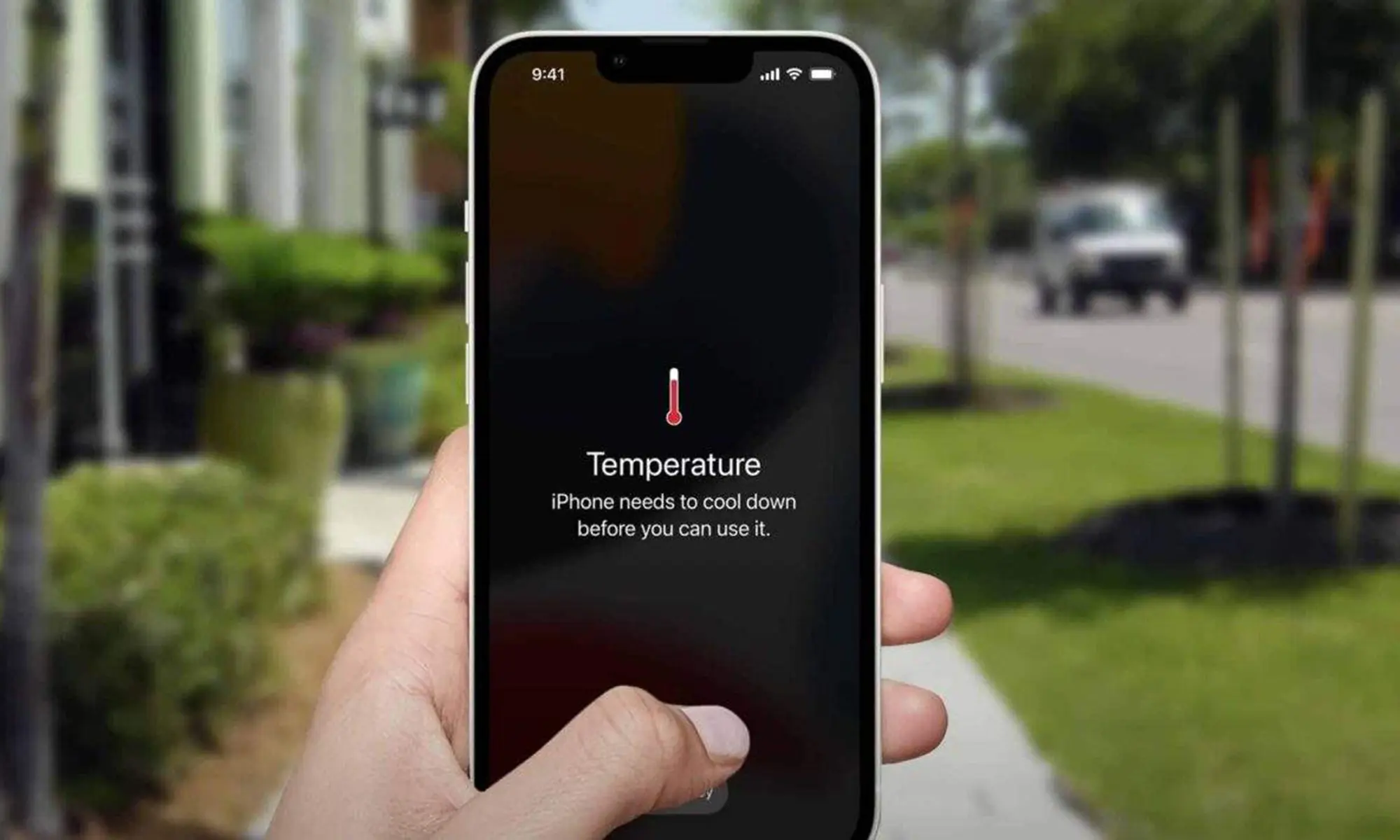
Strong heat can affect the glue that holds the screen in place. Do not leave your phone inside a parked car, on a sunny window ledge, or close to a heater.
Water creates another problem. A phone with even a small crack may allow moisture to reach the display or internal parts.
Keep the phone away from:
- Bathroom shelves
- Kitchen sinks
- Swimming pools
- Wet countertops
- Open drinks
Dry your hands before picking up the phone. Wet or oily fingers make it much easier to drop.
What Should You Do with a Cracked Phone Screen?
A cracked phone screen may still respond to touch, but that does not mean it is safe to ignore.
First, back up your photos, contacts, messages, and files. Then avoid pressing the cracked area. Dust and moisture can enter through the broken glass and cause more damage.
Use clear tape only as a temporary cover if the glass has sharp edges. Do not apply glue, toothpaste, nail polish, oil, or other household products. They will not repair the crack and may enter the speaker, buttons, or screen.
Ask a repair technician to check the phone if the crack starts spreading.
Can You Put a Screen Protector on a Cracked Screen?
A screen protector for cracked screen use may hold small pieces of glass in place for a short time. It can also protect your fingers from sharp edges.
However, it does not repair the phone. Replace or repair the display if you notice:
- Black patches
- Coloured lines
- Screen flickering
- Delayed touch
- Blank areas
People searching for how to hide cracks on phone screens may try a dark wallpaper or tempered glass protector. These options may make a small crack less noticeable, but the damage remains underneath.
Common Mistakes That Damage Phone Screens
| Common mistake | What can happen | Safer habit |
|---|---|---|
| Using a loose cover | Phone may slip out | Use the correct case size |
| Keeping keys with the phone | Scratches may appear | Use a separate pocket |
| Sitting on the phone | Screen or frame may bend | Avoid the back pocket |
| Ignoring broken tempered glass | Protection becomes weaker | Replace it |
| Using the phone with wet hands | Phone may slip | Dry your hands first |
When Should You Get the Screen Checked?
Do not delay repair when the screen shows lines, flickers, loses touch response, or develops black spots. You should also act quickly when the glass feels sharp or starts lifting from the frame.
Zee Mobi Solutions can inspect the phone and tell you whether it needs glass replacement or a complete display change. An early check may stop a small problem from turning into a larger repair.
Conclusion
Learning how to protect your phone screen from cracks comes down to a few daily habits. Use tempered glass, choose a case with raised edges, keep the phone in a separate pocket, and avoid pressure, heat, and water.
Small precautions cost far less than a new display. Take care of the phone before a minor drop turns into a broken screen.
Frequently Asked Questions
Does tempered glass stop every screen crack?
No. It reduces the risk, but a hard fall can still damage the original screen.
Can a small crack spread over time?
Yes. Pressure, heat, and another fall can make it longer.
Is it safe to use a cracked screen?
It may work for a while, but sharp glass and internal damage can create problems.
Can toothpaste repair phone screen cracks?
No. Toothpaste cannot join broken glass and may harm the screen coating.
Should I repair a screen if touch still works?
Yes, especially when the crack spreads, the glass lifts, or lines appear on the display.